As you know, summer is a harsh and hot month. Just as we humans and animals suffer, plants are also severely affected by the summer heat. But there is also a side of nature that some herbs thrive in the same hot temperatures and bright sunshine (Heat-Tolerant herbs). You will find that while some delicate plants are struggling during a heatwave, many popular herbs thrive in the extra heat.
If you grow herbs in your home garden or containers or on a balcony where the sun’s intense heat directly affects them. Choosing heat-tolerant varieties can help you enjoy a productive harvest all season long.
Here we will explore 12 herbs that thrive in the hot summer weather and also look at practical tips for keeping them healthy and thriving.
Why Choose Heat-Tolerant Herbs?
Naturally, these herbs can tolerate sunny weather, dry conditions, and heat. Many areas of the world experience long, hot summers.
The benefits of growing heat-loving herbs include:
- The biggest advantage of these herbs is that they do not require much care in the summer.
- They maintain themselves even in drought conditions.
- Their leaves remain lush throughout the summer period.
- The most beautiful aspect is that they remain the center of attention of pollinators like bees and butterflies.
- Helps in home remedies in a natural way.
- Provides fresh flavors for cooking and teas.
Let’s look at some of the best herbs for hot weather.
1. Basil
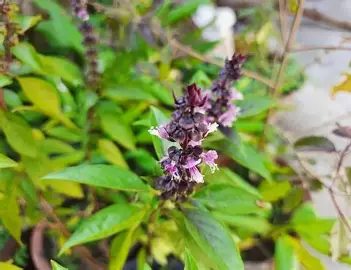
Basil is one of the most popular herbs that thrives in warm temperatures.
Growing Tips:
- Plant basil in a location that receives full sun.
- Water regularly but do not let it become soggy.
- Pinch off flower buds to promote leaf growth.
Best Uses:
- Pesto
- Salads
- Pasta Dishes
- Tea/Coffee
- Medicinal Release
- Fresh Summer Recipes
Basil grows rapidly during the summer and can provide a continuous harvest with proper care.
2. Rosemary
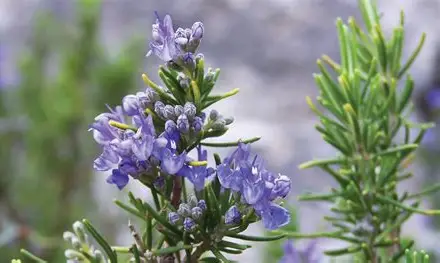
Rosemary is one of the hardiest summer herbs, thriving in sunny, dry conditions.
Growing Tips:
- Ensure to water daily
- Try to water only as much as it needs
- Overwatering can cause root rot
- Plant in full sun.
Best Uses:
- Cook with it
- Drink with it
- Roasted vegetables
- Grilled meats
- Herb oil
Once Rosemary takes root, it can withstand extreme drought and thrive even during long summers.
3. Thyme
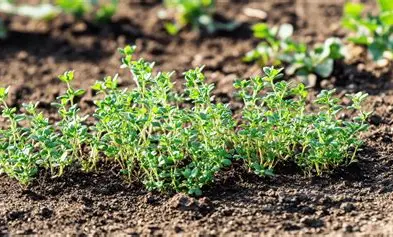
Thyme is known for its exceptional performance in hot weather. It does not require much care. It can withstand up to 6 hours of sun, more than any other plant in the world. The fragrant small leaves reduce water loss, allowing the plant to survive prolonged heat and drought conditions.
Growing tips:
- Use quality soil with proper drainage.
- Allow the soil to dry slightly between waterings.
- Plant in full sunlight.
Best Uses:
- Soups
- Condiments
- Spice Blends
The small leaves remain flavorful even in the hottest summer temperatures.
4. Oregano
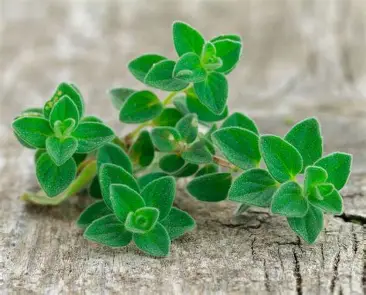
Oregano belongs to the mint family. Oregano is a Mediterranean herb that thrives in sunny conditions. It grows up to 90 cm tall with spade-shaped, olive-green leaves and small flowers.
Growing tips:
- Choose a place with full sun.
- Too much water is not good for it.
- Make sure to prune it regularly as this step is good for its growth.
Best Uses:
- Pizza
- Pasta sauces
- Mediterranean dishes
- tomato based dishes
- seafood
- vegetables and grains
- meat and poultry
Increased sunlight enhances the flavor of the plant, making it more flavorful.
5. Sage
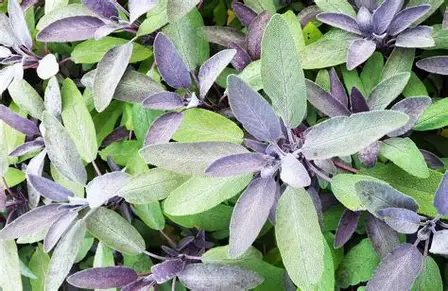
It is recognized by its beautiful gray-green foliage. It has excellent heat tolerance. The leaves of this 60 cm tall plant are slightly rough, fragrant, which gives sage its distinctive earthy flavor.
Growing tips:
- Provide plenty of sunlight.
- Use well-draining soil.
- Water moderately.
Best uses:
- Filling Recipes
- Herbal Teas
- Delicious Dishes
- roasted meats
- winter squash
- creamy pasta dishes
Sage is used in both ornamental and practical ways, making it a great addition to herb gardens.
6. Lavender
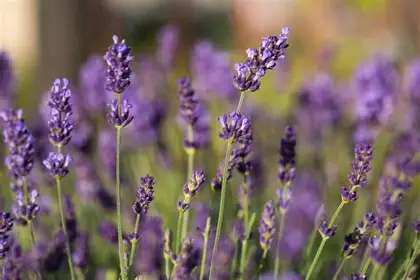
Lavender is not only beautiful to look at, but it is also a fragrant and versatile plant. It is valued for its ornamental beauty, fragrant oil, and medicinal properties. It thrives in hot, dry conditions.
Growing Tips:
- Plant in full sun.
- Avoid soggy soil.
- Provide adequate ventilation.
Best Uses:
- Herbal Bags
- Tea
- Aromatherapy
- culinary
- medicinal
- cosmetic
- cooking
- desserts
Fragrant flowers attract pollinators and butterflies, and most importantly, they add beauty to your garden.
7. Mint
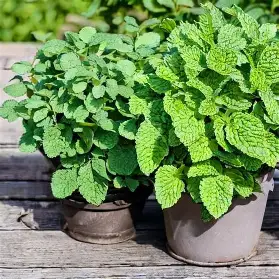
Mint generally likes high humidity, and the more water you give it, the better it will grow. Mint is used to add flavor and aroma to food. It is also used in medicine.
Growing Tips:
- Choose a moist location.
- Grow in containers to avoid scorching.
- Protect from midday sun in areas with intense heat.
- Pluck the leaves from the tips with gentle hands.
Best uses:
- Refreshing Teas
- Summer Drinks
- Desserts
- Cooking
- Dried for Teas and Herbal Infusions
- DIY Skincare and Bath Products
Mint has the special feature that it grows well, which is why it is preferred for growing. Its fragrance gives a refreshing feeling to the entire house.
8. Lemongrass
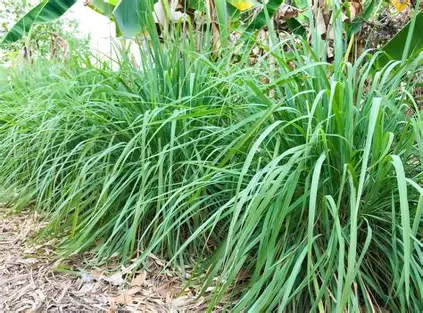
Lemongrass is a grass-like plant. Its leaves are long and narrow, growing up to four to five feet in length. It has a strong lemon-like scent. Lemongrass has small, white, beautiful flowers. The flowers are useful for cooking or medicinal purposes.
Growing Tips:
- Plant in full sun.
- Water daily but avoid overwatering.
- Fertilize during the growing season.
- Choose well-draining soil.
- Harvest the stems when they are at least 12 inches tall.
Best uses:
- Herbal Tea
- Asian Food
- Natural Fragrances
- Oils
- Health
- Food or Home Remedy
- Digestive Health and Anti-Inflammatory Effects
Its citrusy scent makes your garden fragrant.
9. Lemon Balm
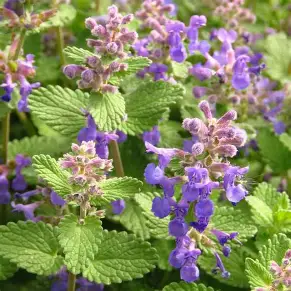
Lemon balm has refreshing leaves with a lemony scent. It is quite hardy in the summer heat. It belongs to the mint family. The bushy, upright plant with heart-shaped, veined leaves grows to about 3½ feet tall.
Growing Tips:
- Water during long dry days
- Prune frequently.
- Grow in full sun or partial shade
Best uses:
- Herbal tea
- Fruit salad
- Relaxing drinks
- Desserts
- Supplements
- Essential oil from leaves
- Used in creams, salves, or lip balms
Lemon balm is a widely used herb with a rich history, offering culinary and medicinal uses, particularly for relaxation, digestive aid, and mild antiviral effects.
10. Bay laurel
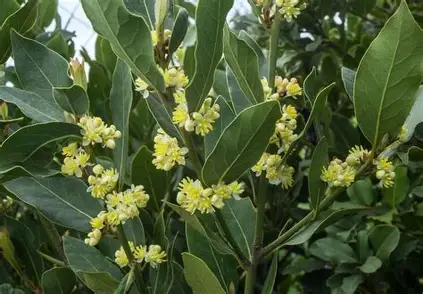
Bay laurel is a slow-growing tree that grows well in the summer but can reach 40 feet tall. It has dark green leaves with yellow flowers.
Growing Tips:
- Grow in containers or garden beds.
- Provide full sun.
- Water when soil feels dry.
Best Uses:
- Soups
- Stocks
- Slow-cooked dishes
- used in herbal remedies
- culinary and medicinal
- Aromatherapy
The best thing about it is that you can enjoy its lush green leaves all summer long.
11. Marjoram
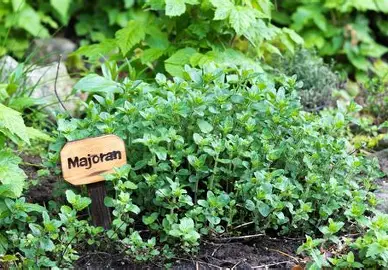
Marjoram is an aromatic herb that thrives in warm climates and sunny locations. It is a perennial herb in the mint family. Marjoram is closely related to oregano. It is a shrub, 30-60 cm tall, with smooth, oval leaves and small, yellow flowers.
Growing tips:
- Choose dry soil.
- Water moderately.
- Harvest regularly.
Best uses:
- Vegetable dishes
- Soups
- Mediterranean recipes
- As a natural remedy for digestive and inflammatory problems
- Cosmetics, lotions, and perfumes
- Used as a natural pesticide in agriculture
Its mild flavor makes it a versatile culinary herb.
12. Mexican tarragon
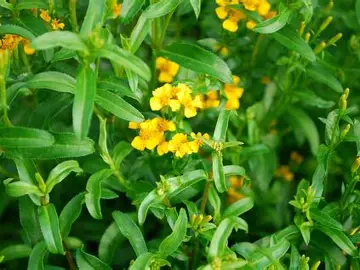
Mexican tarragon is actually a substitute for French tarragon in warm weather. Mexican tarragon is a fennel-flavored herb. The plant grows 2-3 feet tall, with shiny, lance-shaped green leaves and clusters of golden yellow, marigold-like flowers.
Growing Tips:
- Prefers full sun, 6-8 hours daily.
- It grows best in well-drained soil.
- Water during dry periods.
- Space plants 18-24 inches apart for bushy growth.
- Deadhead flowers for continued growth.
Best Uses:
- Herbal Tea
- Salads
- Delicious Dishes
- Flavoring Agent
- Digestive Health
- Herbaceous Dressings
- Aromatic Qualities
One benefit is that increasing the temperature also enhances its flavor.
Tips for Growing Herbs During Summer
Water deeply
A light sprinkling of water alone is not enough. Water the plant deeply.
Mulch around plants
It is essential to fertilize the plants to encourage growth.
Prune regularly
Pruning is an essential step for good plant growth. Pruning herbs in particular prevents them from becoming woody.
Use well-draining soil
Most heat-loving herbs dislike wet roots, especially in hot weather.
Adequate sunlight
Most herbs do best with at least six hours of direct sunlight per day.
In short, even heat-tolerant herbs require proper care. This way they perform brilliantly and their growth is enhanced.
Final Thoughts
Summer doesn’t mean struggling or heat-shy plants. Instead, choose heat-tolerant herbs like basil, rosemary, thyme, oregano, and lavender, and watch the wonder unfold. Your garden will stay green and lush with herbs that thrive even in the hottest months of the year.
Then you can harvest fresh leaves and flowers from your garden to cook with, make tea, desserts, or anything else you want. Best of all, your garden will be filled with the beauty of birds and butterflies.
Start your gardening journey with heat-loving herbs, and you’ll soon discover how productive a summer herb garden can be. These resilient plants will provide you with fresh flavors, beautiful foliage, and reliable growth all summer long.
Frequently Asked Questions
Can herbs survive in full sun all day?
There are many herbs that thrive in full sun. However, mint and lemon balm need some shade in the afternoon in very hot areas.
What are the best herbs to grow in extreme heat?
Rosemary, oregano, lavender, and thyme are among the most heat-tolerant herbs. They hold up well even in extreme heat.
How often should you water herbs in the summer?
Watering herbs depends on their structure and climate. Most herbs prefer deep watering when the soil begins to dry out rather than daily watering.
Can heat-tolerant herbs be grown in containers?
Yes, basil, rosemary, thyme, oregano, mint, and lemongrass all grow well in containers. It is important to provide adequate sunlight and drainage.
Learn More About:
10-herbs-for-hair-growth-and-shine/
What to Plant in April: A Beginner’s Guide to Growing Vegetables, Herbs & Flowers